Low energy rarely announces itself. It creeps in as a slightly harder Monday, a workout you skip "just this once," a short temper by dinner. Multiply that by months or years and the cost adds up in ways that are easy to miss day to day.
It's Not Just About Feeling Tired
Chronic low energy touches more than your afternoon slump. Research consistently links persistent fatigue to reduced focus, slower decision-making, and a lower tolerance for everyday stress. It's a whole-system drag, not an isolated symptom.
Where It Usually Starts
For most men, it's rarely one single cause. Gradually declining testosterone metabolism, chronically elevated cortisol, and nutritional gaps — particularly in Zinc, Magnesium and Vitamin D3 — tend to compound each other rather than act in isolation.
The Compounding Effect
Poor energy makes exercise feel harder, so it happens less. Less exercise worsens sleep quality. Worse sleep raises cortisol further. Each piece reinforces the next, which is part of why fatigue that starts small can feel entrenched a year later.
Where To Actually Start
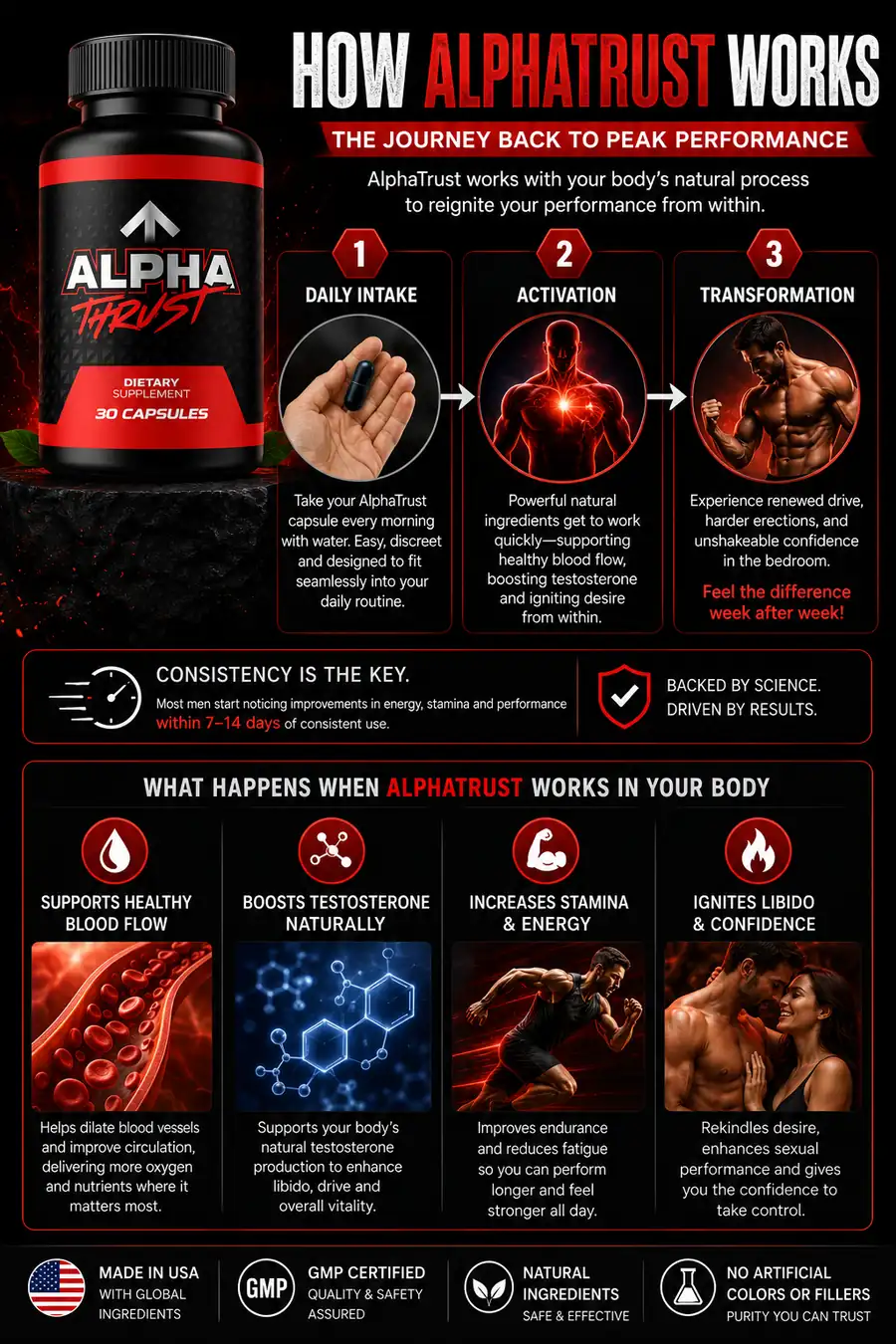
Sleep and movement come first — no supplement replaces either. But nutritional gaps are a real, addressable piece of the puzzle, which is the reasoning behind combining ingredients like Ashwagandha for stress and B vitamins for cellular energy in one formula rather than treating each in isolation.